6 Best Indoor Plants for Low Light Rooms
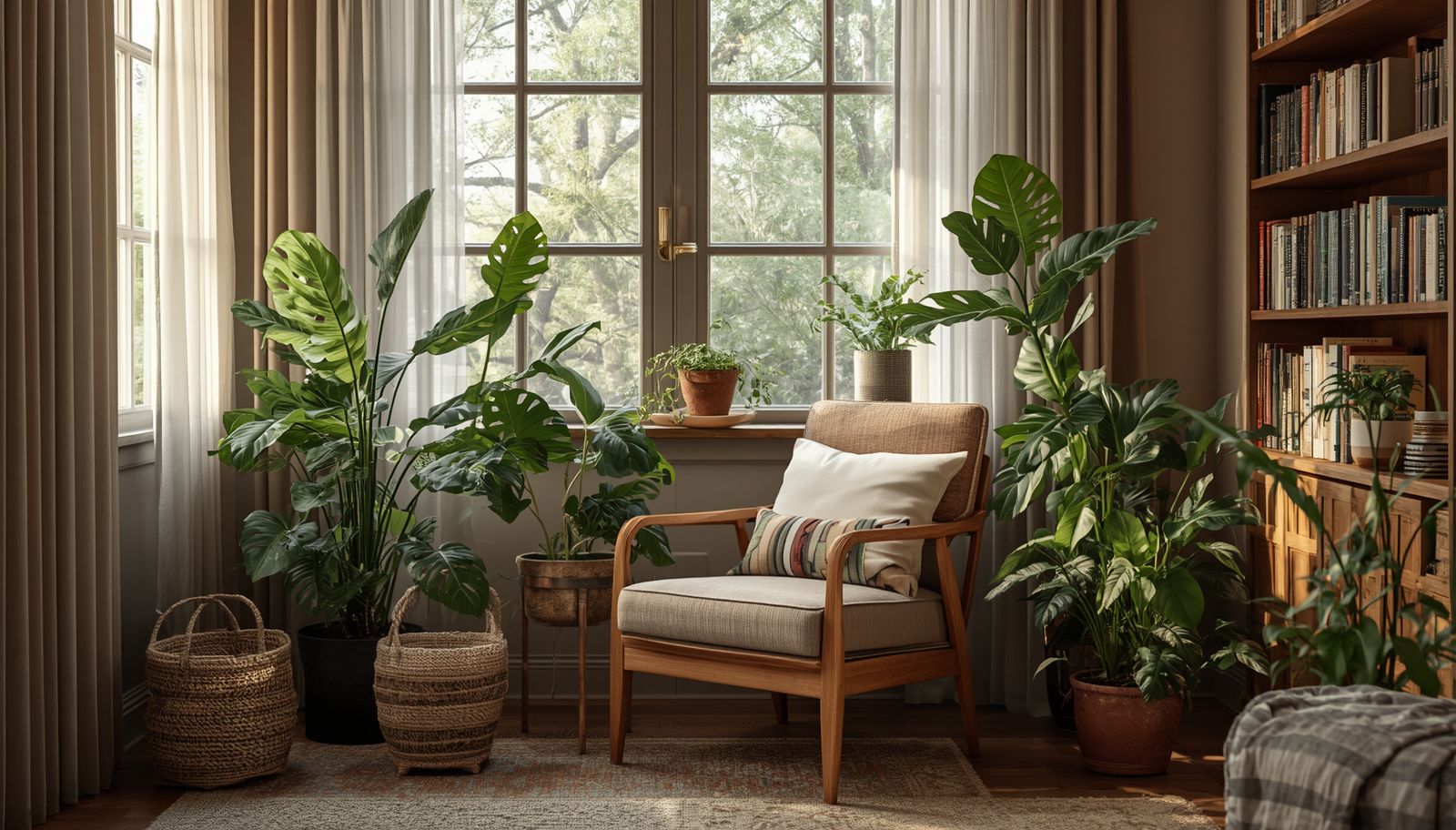
6 Best Indoor Plants for Low Light Rooms
A north-facing apartment, a windowless home office, a hallway that never sees direct sun, none of that has to mean an empty corner. It just means being honest about what “low light” actually allows, and choosing accordingly instead of hoping a plant built for a sunny greenhouse will somehow adjust. The best indoor plants for low light rooms aren’t a compromise. Several genuinely prefer conditions that would stress out a sun-loving succulent.
This guide covers what low light actually means in practical terms, which plants handle it well, which ones to skip entirely, and how to help any of them look their best in a room that isn’t naturally bright. None of it requires guessing, since the difference between a plant that merely survives a dim spot and one that’s genuinely suited to it usually comes down to a few clear traits.
What Counts as a Low Light Room, Really
“Low light” gets used loosely, so it helps to have a clearer picture before choosing a plant. One Penn State Extension horticulturist tracked this directly at home with a light meter. A snake plant sitting in the room read as low as 25 foot-candles in mid-morning, well below what’s typically recommended, and the older leaf tips eventually began to crinkle as a result.
That’s a useful real-world benchmark. A room can look reasonably bright to your eyes and still sit right at the edge of what even a tolerant plant can handle long term.
Practically speaking, a low light room is one with no direct sun at all, usually a few feet back from a north-facing window or lit mainly by light bouncing off other surfaces. It’s dimmer than most people assume when they call a room “pretty bright.” If reading a book comfortably requires a lamp during the day, that’s a strong sign you’re working with low light, and it’s exactly the kind of room where choosing from a list of genuinely low-light-tolerant plants matters more than picking whatever looked appealing at the store.
Best Indoor Plants for Low Light Rooms That Actually Thrive
These aren’t plants that merely tolerate dim conditions. Each one on this list of the best indoor plants for low light rooms holds up well over the long term, not just for a few forgiving weeks.
Snake Plant
Stiff, upright leaves banded in silver, gray, or gold make the snake plant one of the most recognizable low light options, and one of the toughest. It stores water efficiently, so infrequent watering paired with dim conditions rarely causes problems. Its main vulnerability is soggy soil, not low light, so let it dry out fully between waterings.
ZZ Plant
Glossy, dark green leaves growing from underground rhizomes let the ZZ plant coast through weeks without water and months in a dim room without complaint. According to Iowa State University Extension, it does exceptionally well in low light and tolerates dry indoor air, a combination that makes it one of the most forgiving houseplants available for a room without much natural brightness.
Pothos
Pothos vines grow more slowly and stretch out a bit more in low light compared to a bright window, but they hold up well and stay attractive either way. Heart-shaped leaves in solid green or variegated patterns trail nicely from a shelf or hanging basket, and cuttings root easily in water if you want to expand your collection later.
Cast Iron Plant
True to its name, this plant earned its reputation surviving dim, poorly ventilated Victorian parlors, and modern low light rooms are far gentler by comparison. Growth is slow, which some people find underwhelming, but it also means the plant rarely reacts dramatically to minor care mistakes.
Peace Lily
Unlike most low light options, the peace lily flowers, producing a tall white bloom that can last for months even in dimmer conditions. It also communicates its needs clearly, drooping noticeably when thirsty and perking back up within hours of watering, which makes it a bit more forgiving for beginners still learning to read a plant’s signals.
Chinese Evergreen
Chinese evergreen, or Aglaonema, offers more visual variety than most low light plants, with leaves patterned in silver, cream, or soft pink depending on the variety. Darker-leaved varieties tolerate dimmer rooms better than the more colorful, variegated types, which need slightly more brightness to keep their patterning vivid.
Plants That Won’t Work, No Matter How You Care for Them
Choosing the best indoor plants for low light rooms also means knowing which popular plants simply won’t hold up, regardless of how carefully you water or feed them.
Succulents and cacti are the most common mismatch. They evolved for intense, direct sun, and in a dim room they respond by stretching into thin, pale, unnatural shapes as they reach for light that isn’t there, a process that can’t be reversed once it happens.
Fiddle leaf figs and most flowering plants other than peace lily also struggle, dropping leaves or failing to bloom without significantly brighter conditions. If a plant’s care tag mentions “full sun” or “bright light” as a requirement rather than a preference, it’s a clear sign it belongs somewhere brighter than a low light room can offer.
How These Plants Compare for Different Priorities
Not every plant on this list fits every situation equally well. If fast, visible growth matters most, pothos rewards attention more noticeably than the slower-growing cast iron plant or ZZ plant. If you tend to forget about watering for weeks at a time, ZZ plant and snake plant are the most forgiving of the group.
If you want something other than solid green foliage, Chinese evergreen offers the most visual variety, while peace lily is the only one that flowers reliably in dim conditions. Matching the plant to what you actually want, not just what survives, makes the choice easier to live with long term.
What Low Light Doesn’t Mean: True Windowless Rooms
There’s an important difference between a dim room and one with no natural light whatsoever, like an interior bathroom or a windowless office. Even the plants listed above still need some light source to photosynthesize, and none of the best indoor plants for low light rooms can survive on artificial room lighting from a regular lamp alone, since that light is far too weak and the wrong spectrum for sustained growth.
In a genuinely windowless space, a simple full-spectrum LED grow light running for at least six hours a day can fill that gap, and it’s a realistic option rather than a last resort. Plenty of healthy plant collections rely on supplemental lighting in rooms that get no natural sun at all, and a modest grow light is often cheaper over time than repeatedly replacing plants that were never going to make it on ambient light alone.
How to Help These Plants Do Even Better in Dim Rooms
A few adjustments make a noticeable difference, regardless of which plant you choose.
Water less often than you would in a bright room. Growth naturally slows in lower light, which means roots use water more slowly too, and the most common way to damage a low light plant is overwatering it on the same schedule you’d use for a sunnier spot.
Rotate the pot every few weeks so growth stays even instead of leaning toward whatever faint light source is available. Wipe dust off the leaves periodically, since a dusty leaf surface blocks even more of the limited light reaching the plant. And if new growth looks noticeably smaller or more stretched out than older leaves, that’s usually a sign the spot is dimmer than the plant can sustain long term, even for a tolerant species.
The best indoor plants for low light rooms still benefit from occasional attention, even if that attention is less frequent than a sunnier windowsill would demand. A dim corner doesn’t have to stay empty. It just calls for choosing a plant that was built for exactly that kind of light in the first place, and adjusting your care habits to match.
Two Things Worth Knowing
Can any plant survive with zero light at all? No. Every plant needs some light to photosynthesize, whether natural or artificial. “Low light tolerant” means a plant can get by on dim, indirect light, not that it can go without any light source entirely.
Are these low light plants safe around pets? Not all of them. Snake plant, ZZ plant, pothos, and peace lily are mildly to moderately toxic if chewed by cats or dogs, while cast iron plant and Chinese evergreen are generally considered safer choices for pet-friendly homes, though it’s worth double-checking with the ASPCA’s plant database before placing any new plant somewhere a curious pet can reach it.
If you have any Question or Doubt you can simply Contact Us .
Related Articles
 Plant Care Basics
 Plant Care Basics
 Plant Care Basics
Leave a Reply