
Powerful Tax Planning and Tax Saving Tips for Smart Financial Success
Tax planning and tax saving tips play a crucial role in managing personal finances responsibly. Many individuals delay thinking about taxes until deadlines approach, which often leads to stress, confusion, and avoidable mistakes. Instead of viewing taxes as a burden, understanding tax planning as a structured and lawful process can help individuals stay compliant while maintaining financial discipline.
What Is Tax Planning and Why It Matters
Tax planning is the process of organizing income, expenses, and financial activities in accordance with applicable tax laws. The purpose of tax planning is not to escape taxes, but to understand obligations clearly and manage them responsibly.
Effective tax planning helps individuals avoid last-minute pressure and unexpected liabilities. When taxes are considered throughout the year, financial decisions become more structured and predictable.
For example, a person who tracks income and allowable expenses monthly is less likely to make filing errors. In contrast, someone who ignores tax planning until the final weeks often struggles with documentation and compliance.
Tax planning also improves financial clarity. Knowing your tax position helps with budgeting and long-term money management.
Difference Between Tax Planning and Tax Saving
Although often used interchangeably, tax planning and tax saving are not the same.
Understanding tax planning
Tax planning is a long-term and continuous approach. It focuses on organizing finances, understanding tax rules, and staying compliant throughout the financial year.
Understanding tax saving
Tax saving is the outcome of proper tax planning. It refers to legally reducing tax liability through deductions, exemptions, or rebates allowed under the law.
Simple example
An individual who structures finances early in the year is practicing tax planning. When that planning results in lower tax liability under legal provisions, it becomes tax saving. Without planning, tax saving efforts often become rushed and error-prone.
Basic Income Tax Rules Every Individual Should Know
Before applying any tax planning and tax saving tips, it is important to understand basic income tax rules.
What counts as taxable income
Income may come from salary, business, profession, rent, interest, or other lawful sources. All applicable income must be reported accurately.
Importance of correct reporting
Incomplete or incorrect reporting can lead to penalties, notices, or legal complications. Even unintentional mistakes can create long-term issues.
Filing requirements
Individuals are required to file tax returns if income crosses the applicable threshold or if specific conditions apply. Filing returns, even when optional, helps maintain financial records and credibility. Understanding these basics forms a strong foundation for responsible tax planning.
Check the latest filing requirements on official resources here:
Common Tax Deductions and Exemptions Explained
Tax deductions and exemptions are important elements of tax planning and tax saving tips.
Tax deductions
Deductions are expenses or contributions that can be subtracted from total income, subject to eligibility rules. These may include approved savings contributions or specific expenses.
Tax exemptions
Exemptions refer to income that is partially or fully excluded from taxation under defined conditions.
Practical example
A salaried individual who understands eligible deductions related to long-term savings can plan monthly finances more effectively. Someone unaware of these provisions may miss benefits simply due to lack of awareness.
Always ensure documentation and eligibility before claiming deductions or exemptions.
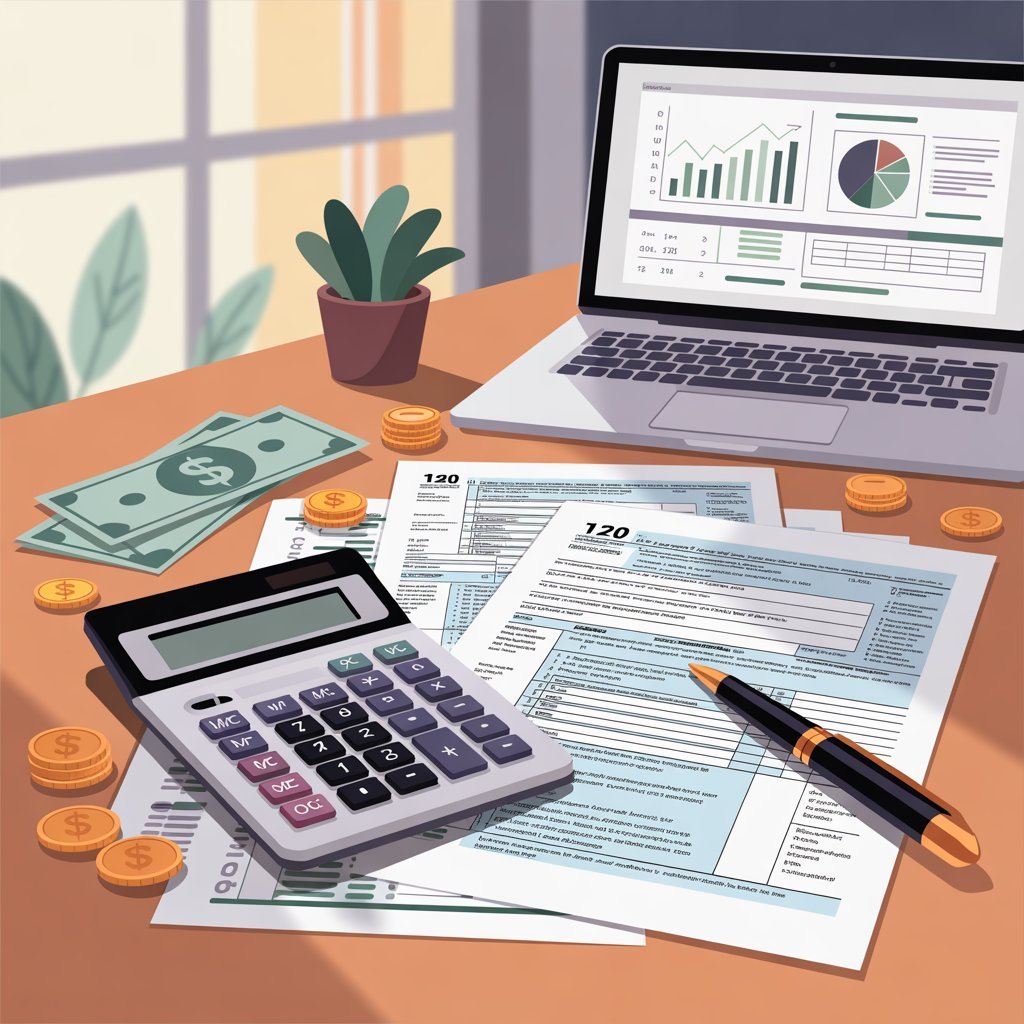
Legal Tax Saving Tips for Salaried Individuals
Tax planning and tax saving tips for salaried individuals should always remain within legal boundaries.
Understand salary structure
Knowing the components of salary such as basic pay, allowances, and reimbursements helps in understanding tax implications accurately.
Use employer-provided benefits wisely
Some employers offer benefits with specific tax treatment. Understanding these provisions prevents incorrect assumptions.
Plan early
Early planning allows more flexibility and informed decisions. Waiting until the end of the year limits options and increases stress. Avoid blindly copying others, as salary structures and eligibility vary.
Tax Planning Tips for Self Employed and Freelancers
Self employed individuals and freelancers have different tax responsibilities.
Maintain proper records
Clear records of income and expenses are essential. Poor record-keeping is one of the most common tax-related issues in this group.
Separate personal and professional finances
Mixing expenses creates confusion and increases the risk of reporting errors. Separate accounts simplify tracking.
Understand advance tax obligations
Some individuals are required to pay taxes periodically. Ignoring this can lead to penalties.
A freelancer who maintains organized records finds tax filing far less stressful.
Importance of Filing Income Tax Returns on Time
Timely filing is a key part of effective tax planning.
Late filing can result in penalties, interest, and unnecessary complications. Timely filing also helps maintain financial credibility when applying for loans, visas, or financial services.
Filing on time allows corrections if mistakes are discovered later. Even individuals with simple income sources benefit from disciplined filing habits.
Mistakes to Avoid While Doing Tax Planning
Mistakes in tax planning often occur due to assumptions or lack of awareness.
Common mistakes
Delaying decisions until deadlines
Following unverified advice
Ignoring proper documentation
For example, claiming deductions without receipts can cause issues during verification. Documentation protects against such risks.
Learning from these mistakes strengthens long-term financial discipline.
How to Plan Taxes Throughout the Financial Year
Tax planning should be ongoing.
Tracking income regularly helps identify changes early. Reviewing expenses periodically improves alignment with financial goals. Staying updated with tax rules prevents outdated assumptions.
A simple monthly review can significantly reduce year-end stress.
When to Review and Update Your Tax Planning Strategy
Tax planning should evolve with life changes.
Situations that require review
Changes in income
Change in employment or business status
Major financial commitments
Changes in tax laws
Regular reviews help correct issues early and maintain compliance.
Helpful Learning Resources
You can read more about responsible money management by visiting this internal link on our website.
For official and accurate tax-related information, refer to trusted government or regulatory resources through this external link.
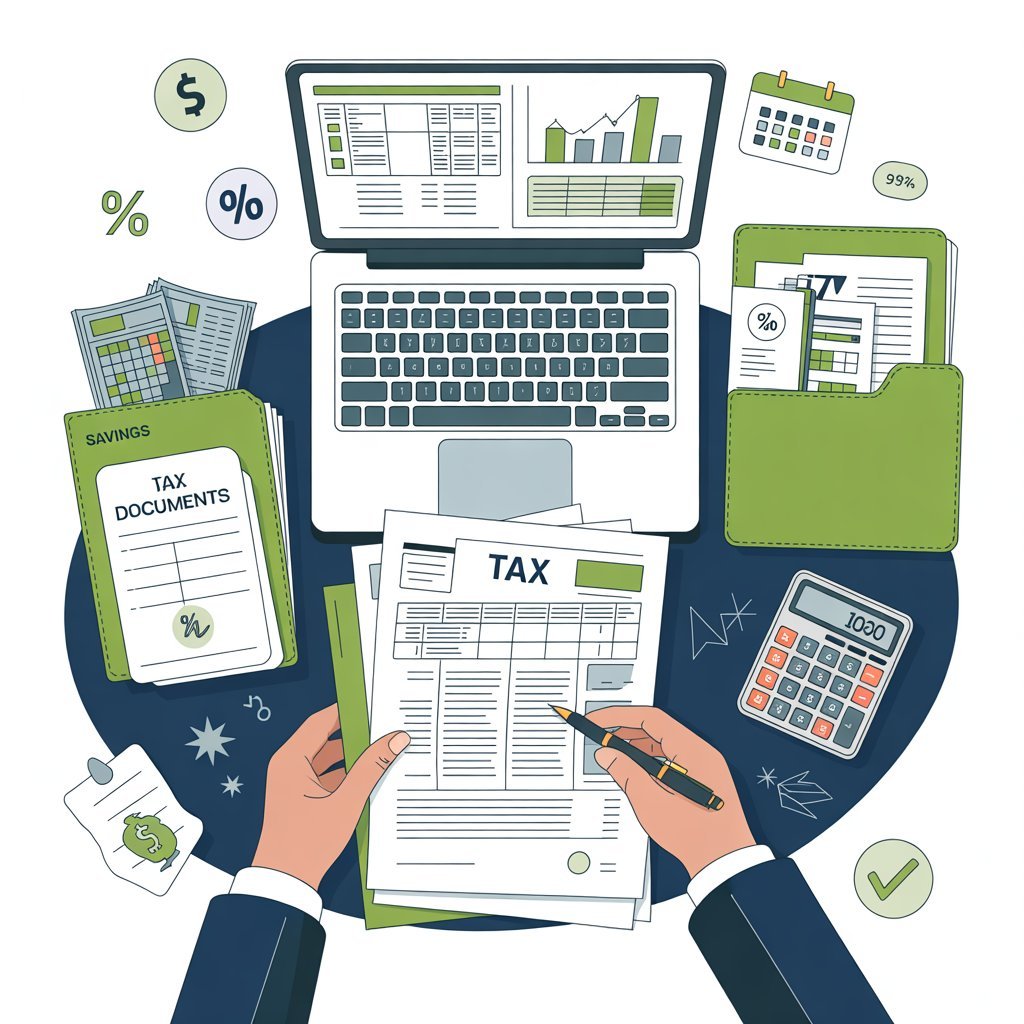
Final Thoughts on Tax Planning and Tax Saving Tips
Tax planning and tax saving tips are not about avoiding taxes at any cost. They are about understanding the law, organizing finances responsibly, and making informed decisions.
High-quality tax planning focuses on compliance, clarity, and consistency. A calm and systematic approach to taxes builds long-term financial confidence and supports overall money management.
Disclaimer
This article is intended for informational and educational purposes only. It does not constitute tax, legal, or financial advice. Tax laws and individual financial situations may vary. Readers should evaluate their personal circumstances and consult qualified professionals where appropriate before making any tax-related decisions.



Athuntic blog
Just made an account on dmgame at dmgameloginbet.com. Seems promising, lots of variety. Depositing a small amount to test the waters. Jump in here: dm game.